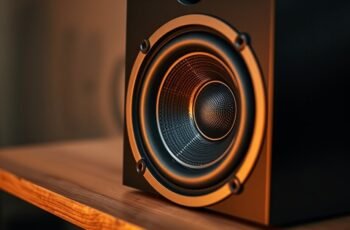
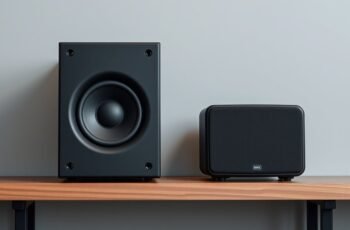
When comparing vintage and modern bookshelf speakers, we find distinct differences rooted in their design philosophies and technological advancements. Vintage models often emphasize a warm, organic sound rooted in traditional craftsmanship, while modern designs focus on clarity and precision through innovative materials. Understanding how these factors influence overall sound quality can help us determine which option best suits specific listening preferences and environments—yet, the nuances behind these differences merit a closer examination.
Key Takeaways
- Vintage speakers deliver warm, organic tones with a natural, nostalgic sound, emphasizing tonal balance over high-frequency extension.
- Modern bookshelf speakers focus on clarity, precise high frequencies, and dynamic range through advanced materials and engineering.
- Enclosure design and internal components influence sound dispersion, imaging, and resonance, affecting overall sound quality.
- Vintage models rely on room acoustics and larger enclosures for warmth, while modern designs are engineered for consistent performance across environments.
- Choice depends on personal preference for tonal warmth versus clarity, influenced by listening habits and room setup.
How Vintage Bookshelf Speakers Deliver Unique Sound Characteristics
While vintage bookshelf speakers may lack some of the advanced technologies found in modern designs, they often deliver a distinctive sound characterized by natural warmth and tonal richness. This quality stems from vintage craftsmanship, which emphasizes durable materials and precise construction techniques that influence acoustic properties. These speakers excel at reproducing sound with a sense of depth and authenticity, rooted in a design philosophy that prioritizes tonal balance over high-frequency extension. The result is an audio profile infused with acoustic nostalgia, offering a smooth, inviting sound that modern digital enhancements rarely replicate. Their inherently organic sound signature highlights the character of recordings, making vintage speakers especially appealing to audiophiles seeking a genuine, emotionally resonant listening experience.
What Modern Bookshelf Speakers Bring to Your Audio Experience
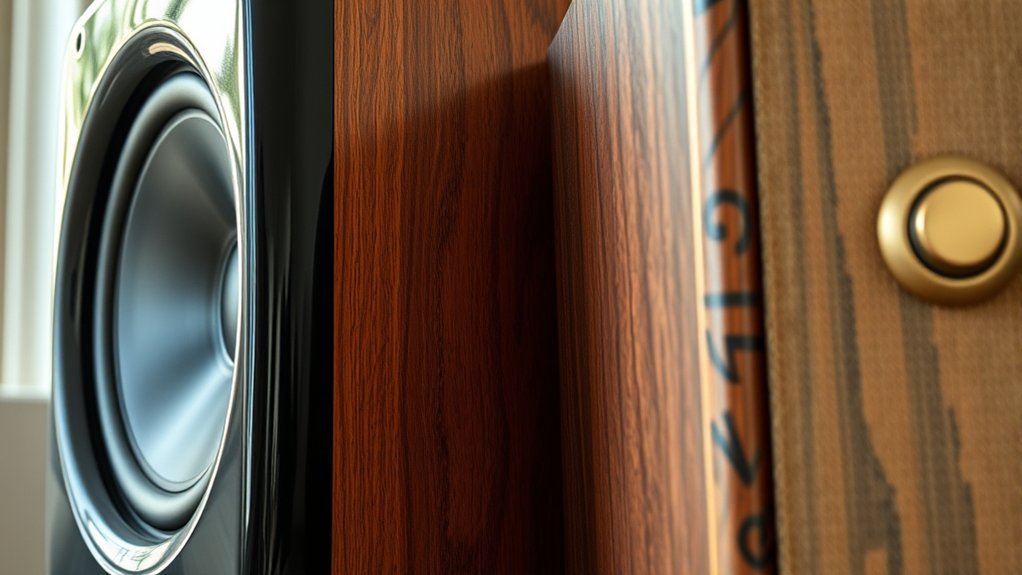
Modern bookshelf speakers incorporate advanced technology and innovative design features that substantially enhance audio clarity, detail, and spatial accuracy. These designs often optimize speaker placement, allowing for precise sound staging and minimal interference, which improves overall listening fidelity. Enhanced driver materials and crossover networks contribute to cleaner, more accurate sound reproduction across the frequency spectrum. Additionally, modern speakers are engineered to work effectively with acoustic treatment strategies, enabling users to tailor their environment for ideal sound quality. This integration reduces reflections and resonances, ensuring that the speaker’s output remains true to the original recording. Consequently, modern bookshelf speakers deliver a more immersive, precise listening experience, leveraging technological advancements and acoustic considerations to elevate sound quality beyond traditional limitations.
Comparing Sound Clarity and Warmth: Vintage vs. Modern Designs
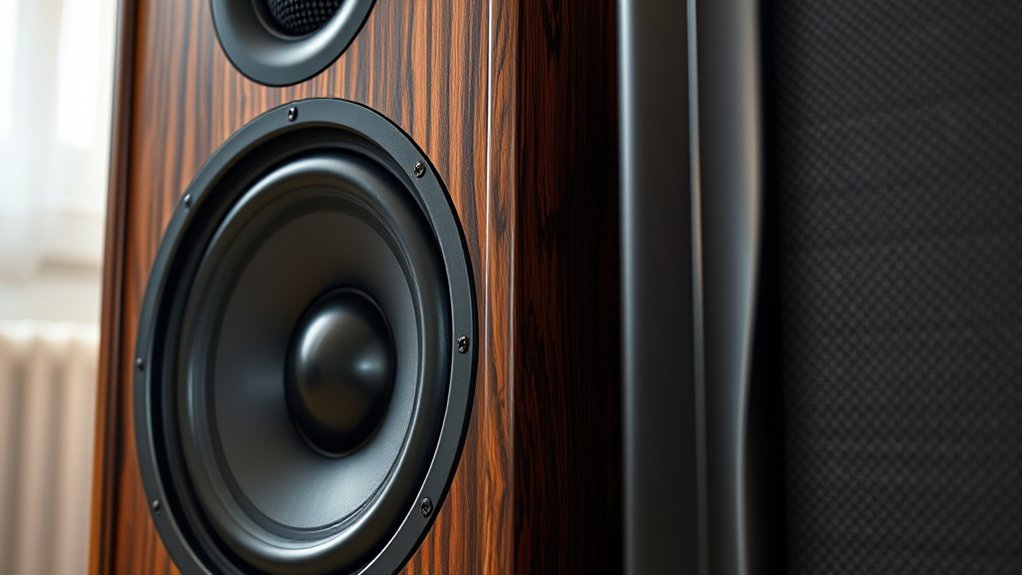
Vintage and modern bookshelf speakers often produce distinctly different sound profiles, particularly regarding clarity and warmth. Vintage models typically emphasize warmth through larger, more resonant enclosures and analog components, creating a richer, more rounded sound. In contrast, modern designs tend to prioritize clarity, utilizing advanced materials and tweeters that deliver crisper high frequencies. Speaker placement crucially influences these qualities; ideal placement can enhance clarity in both types, while acoustic treatment can reduce unwanted reflections that muddy sound. Vintage speakers often rely on room acoustics to emphasize warmth, whereas modern speakers are engineered for consistent performance across various environments. Ultimately, the interplay of design, placement, and acoustic treatment determines whether a speaker’s sound leans more toward clarity or warmth.
How Design and Technology Influence Overall Sound Quality
Design and technology are fundamental in shaping the overall sound quality of bookshelf speakers, as they directly influence how audio signals are reproduced and perceived. The aesthetic appeal often correlates with internal design choices, including driver placement and enclosure shape, impacting sound dispersion and imaging. Manufacturing materials play a critical role, affecting resonance, damping, and durability; for example, MDF enclosures minimize unwanted vibrations, while high-quality drivers enhance clarity. Advances in technology, such as improved crossover networks and driver materials, enable more accurate frequency response and cleaner sound reproduction. Overall, the integration of innovative materials and meticulous design enhances the speaker’s ability to deliver precise, balanced audio, demonstrating that both aesthetic considerations and technological advancements are essential in optimizing sound quality.
Which Speakers Suit Different Listening Preferences and Budgets
Choosing the right bookshelf speakers depends heavily on individual listening preferences and budget constraints, as these factors influence both the desired sound profile and overall value. For those prioritizing detailed, neutral sound, vintage speakers often excel due to their natural tonal balance, while modern designs may offer enhanced clarity and dynamic range. Speaker placement plays a critical role; precise positioning optimizes soundstage and minimizes room-induced distortions. Acoustic treatment, such as bass traps or diffusers, can considerably improve sound quality regardless of speaker choice, especially in untreated environments. Budget considerations also determine whether to invest in higher-end vintage models or more affordable modern options. Ultimately, aligning speaker characteristics with your listening habits and room setup ensures a tailored listening experience, maximizing both performance and satisfaction.
Frequently Asked Questions
How Do Vintage and Modern Speakers Differ in Durability?
Vintage speakers often feature material longevity and design resilience that withstand decades, whereas modern speakers may incorporate advanced materials but sometimes compromise durability for lightweight design. Both require proper maintenance to guarantee long-term performance and reliability.
Are Vintage Speakers Compatible With Current Audio Equipment?
Vintage speakers can be compatible with current audio equipment if their speaker aesthetics and audio connector compatibility match modern standards; however, some may require adapter updates or rewiring for seamless integration, emphasizing the importance of technical compatibility analysis.
What Maintenance Is Required for Vintage Bookshelf Speakers?
We regularly perform cabinet restoration and speaker reconditioning, inspecting for deterioration, cleaning components, and replacing worn parts, ensuring peak performance. Consistent maintenance preserves the vintage speakers’ sound quality and extends their lifespan effectively.
Can Modern Speakers Be Customized for Specific Sound Profiles?
Modern speakers are like blank canvases, easily customizable for specific sound profiles through various settings and components. Their flexibility in sound signature adjustments offers extensive customization options, enabling precise tailoring to individual preferences and acoustic environments.
How Do Price Points Compare Between Vintage and Modern Speakers?
Vintage speakers often come at a lower price point, but their aesthetics and brand reputation vary widely. Modern speakers tend to be more expensive, reflecting advanced technology, consistent aesthetics, and trusted brands, ensuring reliable performance and contemporary design appeal.
Conclusion
Ultimately, choosing between vintage and modern bookshelf speakers is like selecting a musical instrument—each has its unique voice. We’ve seen how vintage models offer warmth rooted in craftsmanship, while modern designs deliver clarity through innovation. Like tuning an intricate instrument, optimizing sound depends on matching the speaker’s character to your listening preferences and environment. Whether seeking nostalgic richness or crisp precision, understanding these nuances helps us make informed, satisfying audio choices.