Have we ever wished our entire home could sound as good as our best pair of headphones?
When we first heard about the Dio Node Apple AirPlay 2 Compatible Multiroom Wi-Fi Home Speakers (5-Pack), we were curious if they could really turn our home into a full, connected audio space without becoming a headache to set up or manage. After spending time with this system, we realized it’s not just another wireless speaker bundle—it’s a thoughtfully designed ecosystem aimed at Apple users and households that care about both sound and simplicity.
In this review, we’ll walk through how Dio Node performs in real homes like ours: how it sounds, how it connects, how it looks, and whether it actually makes our daily routines better rather than more complicated.

What Exactly Is Dio Node?
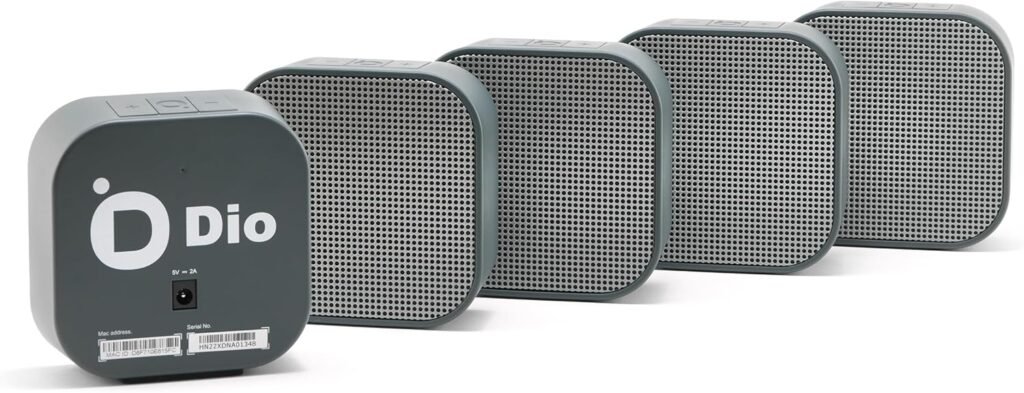
Dio Node is a Wi‑Fi, multiroom speaker system designed to work seamlessly with Apple AirPlay 2. This particular package includes five speakers, which is ideal for covering several rooms or creating layered sound in larger spaces.
At its core, Dio Node promises:
- Lossless, Wi‑Fi-based multiroom audio
- Native AirPlay 2 support
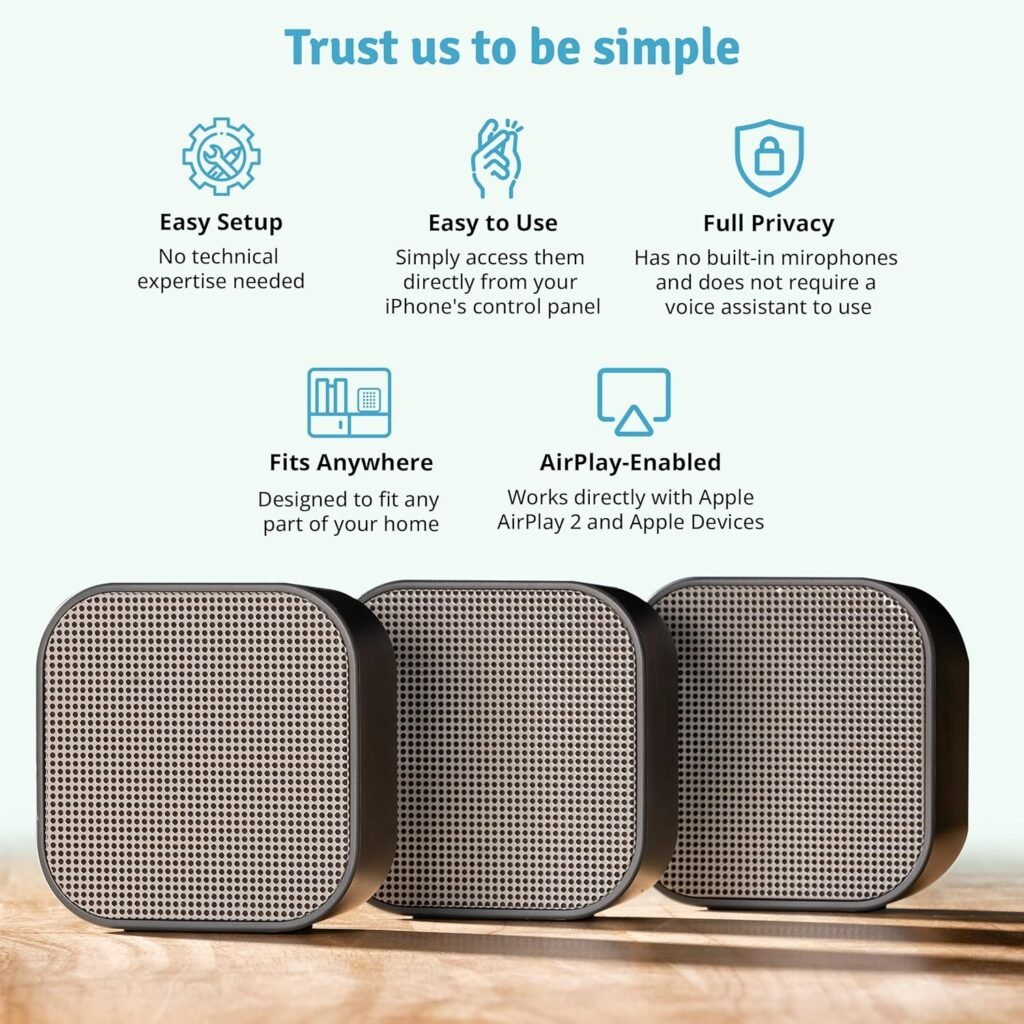
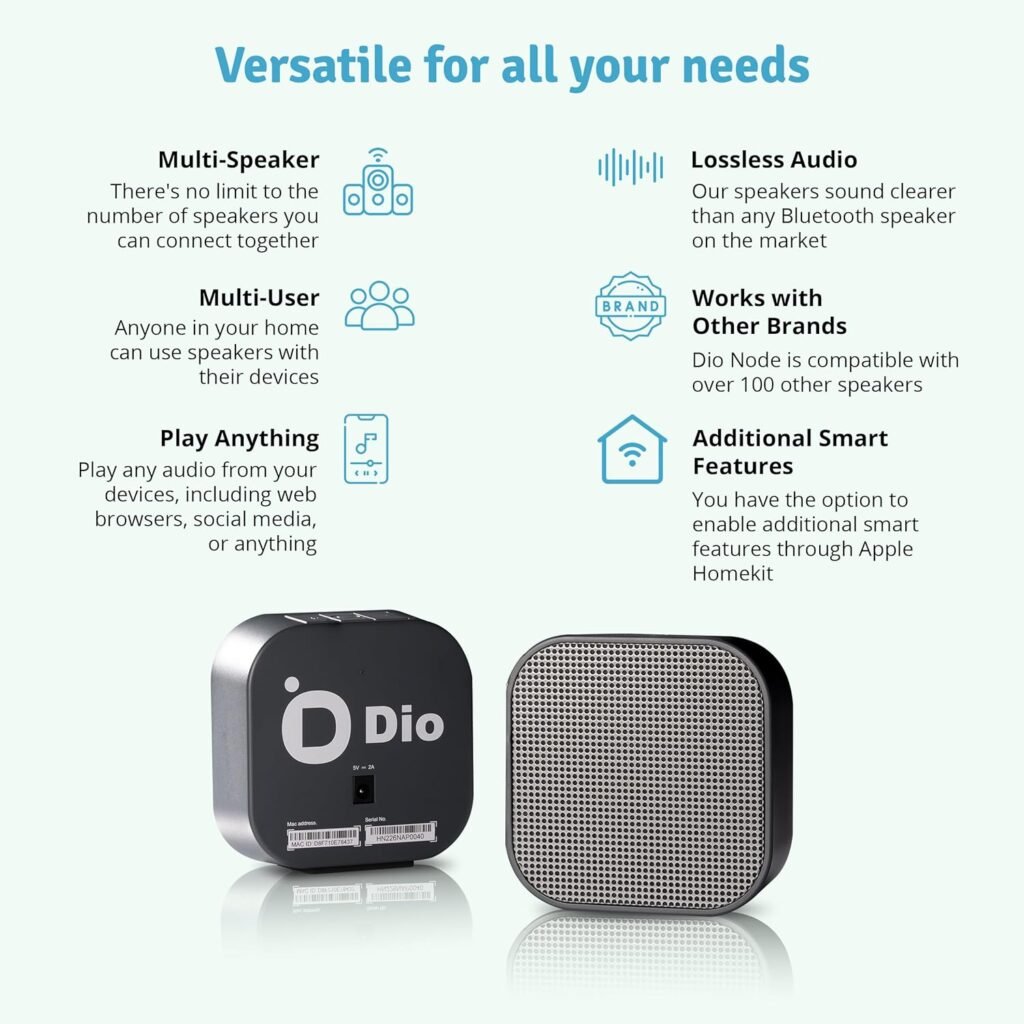
- Simple, microphone‑free design for privacy
- A quick setup that feels more like plugging in a lamp than configuring a network
We see it as a middle ground between premium smart speakers and traditional wired audio systems. It doesn’t try to be everything (no voice assistant, no built-in screen), but it tries to do multiroom audio extremely well.
Design and Build Quality
Minimalist Aesthetics That Blend Into Our Home
We tend to notice when tech looks out of place. Dio Node aims for that “barely there” look—clean lines, compact footprint, and a neutral style that works in a variety of interiors.
Whether we set them on bookshelves, end tables, or a media console, the speakers felt more like discreet decor pieces than gadgets demanding attention. The design approach seems intentional: Dio Node is meant to live in every room, not just in the obvious AV corner.
Materials and Construction
The build quality is reassuring. Each unit feels solid without being overly heavy, and the combination of textured housing and smooth surfaces gives off a premium impression. We didn’t feel like we were dealing with fragile plastic boxes; they’re clearly designed for everyday, long-term use.
The finish resists fingerprints reasonably well, and dust is easy to wipe away. For speakers that will sit out in the open, this matters more than we might think.

Setup Experience: From Box to Music in Under a Minute
Truly Quick Installation
We often hear claims of “simple setup,” but Dio Node actually delivers. We essentially followed three basic steps:
- Plug the speaker into power
- Connect it to Wi‑Fi using our iPhone
- Add it to our Apple Home or AirPlay setup
The whole process takes under a minute per speaker once we know what we’re doing. There’s no complicated pairing ritual, no cryptic blinking-light guessing games. We felt more like we were adding a lamp to our home than a networked audio device.
Friendly Enough for Non-Techy Family Members
One of the strongest points is how accessible Dio Node feels for people who don’t consider themselves “good with technology.” Because everything is managed through Apple’s familiar interface—primarily the iPhone Control Center and AirPlay menus—nobody needs to learn a brand-new app or a new system.
Our sense is that this approach is ideal for families: grandparents, kids, guests—everyone can figure out how to send music to a Dio Node because it feels like sending it to any AirPlay speaker.
Connectivity: Apple AirPlay 2 at the Core
Deep Integration with the Apple Ecosystem
For households already using iPhone, iPad, Mac, Apple TV, or HomePod, Dio Node immediately feels like a natural extension. Through AirPlay 2, we can:
- Stream audio from any Apple device
- Group multiple speakers or rooms
- Control volume room-by-room
- Hand off audio between devices
It’s especially convenient from the iPhone’s Control Center. We swipe down, tap the audio output icon, and see each Dio Node speaker listed by room or custom name. Selecting rooms feels as easy as checking items off a list.
Plays Nicely with Other AirPlay 2 Speakers
A major strength is that Dio Node doesn’t lock us into a closed ecosystem. Because it supports AirPlay 2, it can work alongside over 100 other speaker models that support the same protocol—from soundbars to AV receivers to other Wi‑Fi speakers.
This means if we already have some AirPlay 2-compatible devices at home, Dio Node can join them rather than replace them. That flexibility is a huge plus if we’re building a system room-by-room.
Multiroom Audio: Sound Across the Whole Home
Seamless Whole-Home Coverage
With five speakers, we can realistically cover:
- A living room
- A kitchen or dining area
- A bedroom or office
- A hallway or secondary space
- Another bedroom, den, or media area
What stood out is how synchronized everything sounds. When we play the same track across all rooms, there’s no noticeable lag or echo effect between speakers. This is one of Wi‑Fi’s big advantages over older Bluetooth-only setups.
We can choose different configurations depending on what we’re doing:
- Same music in every room for parties
- One playlist in the living room, another in a bedroom
- Podcast in the kitchen, ambient music in the office
The system encourages us to think of our home as a series of sound “zones” rather than isolated speakers.
Lossless Sound Over Wi‑Fi
Because Dio Node relies on Wi‑Fi instead of Bluetooth for multiroom playback, it can handle higher-quality streams, including lossless audio. For us, that means clearer details and better dynamics, especially when listening to high-quality tracks from services like Apple Music or lossless files from a computer.
We noticed:
- Fewer compression artifacts
- Better stereo imaging (especially when using two speakers in one room)
- More consistent quality when moving around the house
For anyone used to standard Bluetooth speakers, this can feel like a meaningful upgrade, especially in quieter listening situations.
Sound Quality: How Does Dio Node Actually Sound?
Tonal Balance and Clarity
Dio Node aims for a sound signature that feels balanced and easy to listen to over long periods. We’d describe it as:
- Clear vocals
- Tight, controlled bass (not boomy or muddy)
- Smooth highs without harshness
We listened to a variety of genres—pop, classical, jazz, electronic, podcasts—and noticed that vocals tend to sit forward without overshadowing instruments. Speech (like audiobooks or talk shows) sounded particularly natural and easy to understand.
Room-Filling Performance
Individually, each speaker offers enough power for a typical bedroom, office, or small-to-medium living room, especially if we’re not trying to recreate a nightclub. Where Dio Node really shines is in numbers—with five units, we can:
- Double up speakers in a single room for a wider stereo field
- Spread them out so no single speaker needs to play at max volume
- Maintain consistent listening levels across the home
Because the system is designed as a collective solution, we found ourselves less focused on pushing a single speaker hard and more on letting multiple speakers handle the load gracefully.
Privacy: No Microphones, No Always-Listening Assistant
A Conscious Design Choice
One of Dio Node’s standout features is what it doesn’t have: no built-in microphones. That means:
- No always-listening voice assistant
- No risk of accidental wake words
- No audio recordings being sent to cloud services
For privacy-conscious households, this matters a lot. We don’t have to wonder if a stray conversation is getting picked up by the speaker, because there’s simply no mic to do that.
Control Without Voice Commands
Instead of voice, Dio Node leans fully into screen-based controls via iPhones, iPads, and Macs. We still have instant access to everything—volume, grouping, room selection—just without talking to a device.
This fits surprisingly well into many daily routines:
- We’re already holding our phones when picking music
- We adjust volume from our lock screen
- We manage rooms from the Control Center
For those of us who rarely use voice assistants anyway, this design feels like a relief rather than a limitation.
Everyday Use Cases: How We Actually Use Dio Node
During Parties and Gatherings
With a 5-pack, entertaining becomes one of the most satisfying scenarios. We can:
- Put upbeat music in the kitchen, living room, and patio (if covered and safe from weather)
- Keep softer background tunes in a hallway or dining space
- Turn individual rooms up or down depending on where people gather
The smooth sync between speakers prevents those awkward overlaps where one room is half a beat ahead of another. Instead, our home feels like a cohesive soundscape.
Quiet Evenings and Focus Sessions
Dio Node is just as valuable when we’re not hosting anyone. We often use it to:
- Play mellow playlists across the whole home at a low volume
- Keep a podcast going as we move from room to room
- Listen to focus music while working in an office, while someone else enjoys different audio in another space
Because it’s so easy to target specific rooms, we can tailor sound to our mood and activities in seconds.
Family and Shared Spaces
In shared homes, Dio Node makes it easy for each of us to have our own audio space:
- Kids streaming from their iPads to a bedroom speaker
- Adults listening to news in the kitchen
- Another person enjoying a playlist in the study
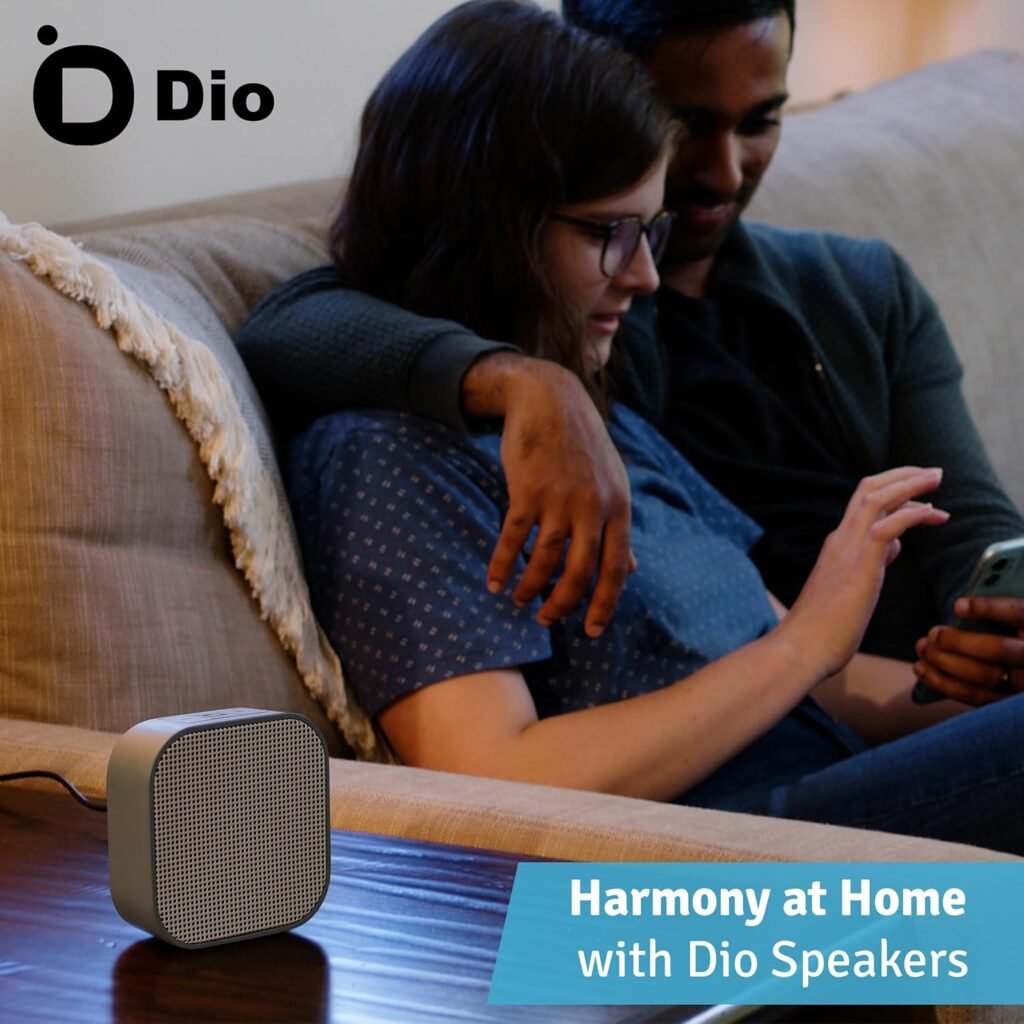
All of this can happen at the same time, thanks to AirPlay 2’s multi-user, multi-output design.
Compatibility and Versatility
Works with Other Apple Devices
Dio Node is most comfortable in an Apple-heavy environment. Some of the most common scenarios we found are:
- Streaming from iPhone to one or multiple speakers
- Sending Mac audio (movies, music, calls) to Dio Node units
- Using Apple TV and sending its sound to one or more Dio speakers in a living room
Because it behaves like any other AirPlay 2 device, the learning curve is effectively zero if we’re already used to Apple gear.
Plays Nice with Other AirPlay 2 Speakers
We appreciate that Dio Node doesn’t require replacing every audio device we own. Instead, we can:
- Keep an existing AirPlay 2 soundbar or AV receiver in the TV room
- Add Dio Node speakers to bedrooms and common areas
- Group them all under one umbrella using AirPlay 2
This makes upgrading our whole-home audio feel more incremental and budget-friendly. We can start with a 5-pack, then later decide whether to add more AirPlay speakers from other brands or more Dio units.
Spotify and Streaming Services
Using Spotify with Dio Node
Dio Node is perfectly comfortable acting as a Spotify player through AirPlay 2. From within the Spotify app on our phone or computer, we can:
- Select Dio Node speakers as the output via AirPlay
- Group them into rooms or zones
- Switch between Wi‑Fi networks and rooms without fuss
We’re not locked into any single streaming service either. If it runs on our Apple device, it can usually send audio to Dio Node, including:
- Apple Music
- Spotify
- YouTube Music
- Audible and other audiobook apps
- Podcast platforms
That flexibility makes the system feel less like an ecosystem trap and more like a general-purpose audio pipeline.
Flexibility of the 5-Pack Setup
Tailoring the System to Our Home
The 5-pack configuration feels like a “whole-home starter kit.” Some layout ideas we found effective:
-
Option 1: Every major room covered
- Living Room
- Kitchen
- Primary Bedroom
- Office / Study
- Hallway / Secondary Bedroom
-
Option 2: Double up in key spaces
- Two in the living room for a bigger, more enveloping sound
- One in the kitchen
- One in the main bedroom
- One in an office
-
Option 3: Shared spaces focus
- Living room
- Kitchen
- Dining room
- Home gym
- Entryway or hallway
Because each speaker is identical, we can adjust our layout over time. If we move homes or reconfigure rooms, the system can easily adapt.
Quick Changes, No Wiring Hassles
We appreciate that each Dio Node is just power + Wi‑Fi. There are no messy audio cables or specialized connectors. If we decide to move a speaker from the bedroom to the office, it’s as simple as unplugging it and plugging it into a new outlet.
The system updates in our AirPlay list almost immediately, keeping the experience consistently smooth.
Performance and Reliability
Stable Connections Over Wi‑Fi
Multiroom systems live or die by network stability. In our experience, Dio Node handled:
- Multiple speakers active at once
- Different streams to different rooms
- Simultaneous Internet usage (video streaming, web browsing)
We found that a reasonably modern router and decent Wi‑Fi coverage are important. In most households with a standard or mesh router setup, the speakers should behave reliably.
Latency and Sync
Audio sync was consistently tight enough to avoid any distracting delay between rooms. Even when walking from one end of the house to the other, we didn’t feel a jarring change in timing.
When using Dio Node for video (e.g., sending Mac or iPad video with AirPlay and routing sound to Dio), we found lip-sync acceptable, especially for casual viewing. For serious home theater setups, we’d still lean on an AV receiver or soundbar designed specifically for ultra-low-latency use, but Dio Node remains perfectly usable for everyday shows and videos.
Design and Decor Integration
Aesthetic Harmony in Different Styles of Homes
We like that Dio Node doesn’t enforce a single aesthetic. In both modern minimalist and more traditional interiors, the speakers tend to fade into the background visually.
We tried to picture them in:
- A minimalist living room with clean lines and neutral tones
- A cozy study with wood furniture and warm lighting
- A more eclectic space with mixed colors and textures
In all cases, the speakers felt like they “belonged.” This is exactly what we want from a multiroom system—something that doesn’t visually dominate each room.
Size and Placement
The physical footprint strikes a nice balance:
- Small enough for bookshelves, side tables, and desks
- Large enough to house drivers that produce satisfying sound
We found it easy to tuck them next to plants, photo frames, or books. Because there are no external antennas or awkward shapes, arranging them is straightforward.
Quick Feature Comparison Table
To make things easier to scan, here’s a simple breakdown of key features as we experienced them:
| Feature | Our Experience with Dio Node |
|---|---|
| Connectivity | Wi‑Fi, Apple AirPlay 2, works with iPhone, iPad, Mac, Apple TV |
| Multiroom Support | Yes, syncs multiple rooms with minimal latency |
| Sound Quality | Clear, balanced, room-filling with multiple units |
| Privacy | No built-in microphones; no always-listening assistant |
| Setup Time | Under 1 minute per speaker in typical scenarios |
| Compatibility with Other Speakers | Works alongside 100+ AirPlay 2 models from leading brands |
| Streaming Services | Spotify, Apple Music, and most apps via AirPlay from Apple devices |
| Design | Minimal, decor-friendly, available in neutral finishes |
| Use Cases | Parties, everyday listening, podcasts, focus music, multi-person households |
| Package Flexibility | Available as 1-pack, 3-pack, or 5-pack; 5-pack ideal for full-home coverage |
Who Is Dio Node Best For?
Apple-Centric Households
If our home is already built around Apple products, this system fits naturally. We don’t need to learn a proprietary app or ecosystem; we just use what we already know—AirPlay and the Control Center.
Privacy-Focused Users
If we’re uncomfortable with always-listening devices, Dio Node offers a reassuring alternative. The conscious lack of microphones means we get smart connectivity without smart surveillance.
Families and Shared Spaces
In homes with multiple residents, the flexibility of multiroom audio with simple controls means everyone can use it without a tutorial. Kids, grandparents, and guests all benefit from the familiar interface.
Audio Enthusiasts Who Prefer Simplicity
For audio lovers who want better-than-Bluetooth quality without dealing with traditional AV complexity, Dio Node hits a sweet spot. We get Wi‑Fi-based, lossless multiroom sound in an intuitive package.
Potential Limitations to Consider
No product is perfect for everyone, and we think it’s important to be candid about areas that may not suit every user.
Strongest When Paired with Apple Devices
Although Dio Node uses AirPlay 2—which is an Apple technology—those with mainly Android or non-Apple devices might not get the most out of this system. There are workarounds using certain apps or casting methods, but the experience is clearly tailored toward Apple users.
No Built-In Voice Assistant
For some, the absence of a voice assistant is a plus. For others, it may be a drawback. If we’re used to saying “play this” or “turn it up” hands-free, we’ll need to shift to screen-based controls instead.
Dependent on Wi‑Fi Quality
As with any Wi‑Fi-based audio system, the performance is only as good as the network. Homes with weak or spotty Wi‑Fi coverage may need to improve their network setup (e.g., mesh systems, better router placement) to get the best results from Dio Node.
How the 5-Pack Compares to Smaller Bundles
When a 1-Pack Makes Sense
A single Dio Node can be a good fit if we:
- Live in a studio or small apartment
- Want a high-quality Wi‑Fi speaker for just one room
- Are testing the system before committing to a full multiroom setup
When a 3-Pack Is Ideal
The 3-pack configuration works well for:
- Apartments with an open plan and a couple of bedrooms
- Smaller homes where we mainly use three key spaces (e.g., living room, kitchen, bedroom)
- Setting up a “core” of speakers now, with room to expand later
Why the 5-Pack Stands Out
The 5-pack, which we’re reviewing here, is best for those of us who want whole-home coverage right away. It lets us:
- Create richer sound in important rooms
- Extend audio into hallways, offices, or guest rooms
- Fully experience what multiroom audio can do when every part of the home is included
For many households, this bundle is the most future-proof; we may not use every speaker to its fullest on day one, but we’ll appreciate the flexibility over time.
Long-Term Use: Living with Dio Node Day-to-Day
How Our Habits Change
Once installed, we quickly start to treat music and audio more like lighting—something that gently follows us throughout the day:
- Soft background music when we wake up
- News or podcasts during breakfast
- Focus audio while working
- Relaxing playlists in the evening
Because the speakers are always connected and waiting on Wi‑Fi, there’s no “pairing” ritual each time we want to listen. This reduced friction encourages us to actually use the system every day instead of occasionally.
Maintenance and Updates
We didn’t find ourselves fussing with Dio Node very often after initial setup. Occasional firmware or app updates may appear, but for the most part, the system just sits quietly and does its job.
Dusting them off and checking that cords are neatly tucked away are about the only ongoing tasks we noticed.
Our Overall Verdict
Dio Node, especially in its Apple AirPlay 2 Compatible Multiroom Wi-Fi Home Speakers (5-Pack) configuration, strikes us as a thoughtfully designed solution for whole-home audio. It doesn’t chase flashy gimmicks or try to be an all-in-one assistant. Instead, it focuses on doing a few key things extremely well:
- Reliable, lossless multiroom sound over Wi‑Fi
- Tight integration with Apple devices via AirPlay 2
- Minimalist, microphone-free, privacy-conscious design
- Surprisingly simple setup and everyday use
For homes already invested in the Apple ecosystem—and for those of us who care about both privacy and high-quality audio—the Dio Node system makes a strong case as a long-term, everyday audio companion.
We see it as an upgrade not just to how our music sounds, but to how seamlessly sound itself fits into our home life.
Disclosure: As an Amazon Associate, I earn from qualifying purchases.