Have we ever wished our compact speakers could sound as rich and full as a much larger audio system—without taking over our entire room?

What Makes the Edifier R1280DBs Stand Out?
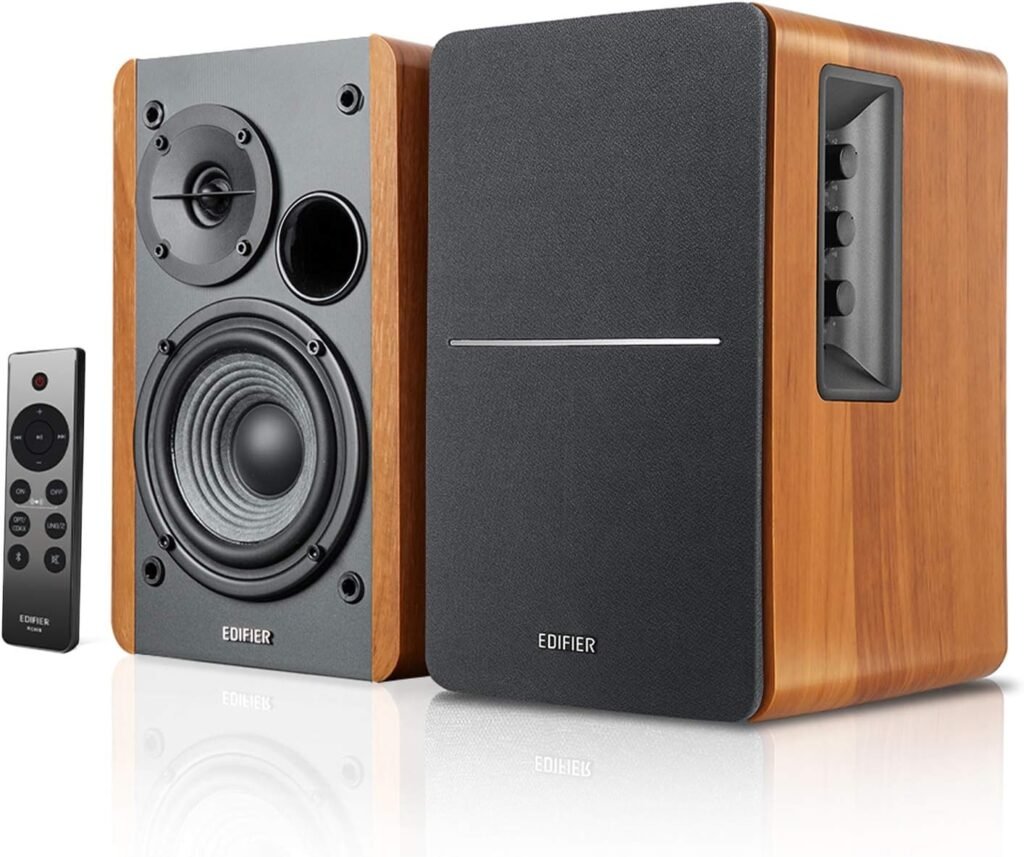
When we look at bookshelf speakers today, many promise wireless convenience, deep bass, and clear sound. The Edifier R1280DBs Active Bluetooth Bookshelf Speakers try to bring all of that together in a compact, stylish package. We get Bluetooth 5.0, multiple wired inputs, a subwoofer out, and 42W RMS of continuous power packed into a wood grain design that fits easily into most rooms.
These speakers are aimed at those of us who want a step up from basic PC speakers or TV sound, without going into full home theater territory. They are versatile enough for music, movies, gaming, and casual monitoring, making them a “do a bit of everything” option.
Design and Build Quality
At first glance, the Edifier R1280DBs look more expensive than they are. The wood grain finish gives them a classic, warm aesthetic that works well in living rooms, bedrooms, and offices. They feel solid and well put together, not flimsy or rattly the way some budget speakers can be.
We notice that one speaker is active (powered) and the other is passive. The active speaker houses the amplifier, inputs, controls, and connection ports, while the passive one connects via a standard speaker cable. The overall design is straightforward and functional, with minimal branding and clean lines.
Aesthetic and Finish
The wood grain exterior gives the speakers a traditional look that pairs nicely with desks, bookshelves, and TV stands. If we like a more “home audio” look instead of a purely techy or plastic build, this design will likely appeal to us.
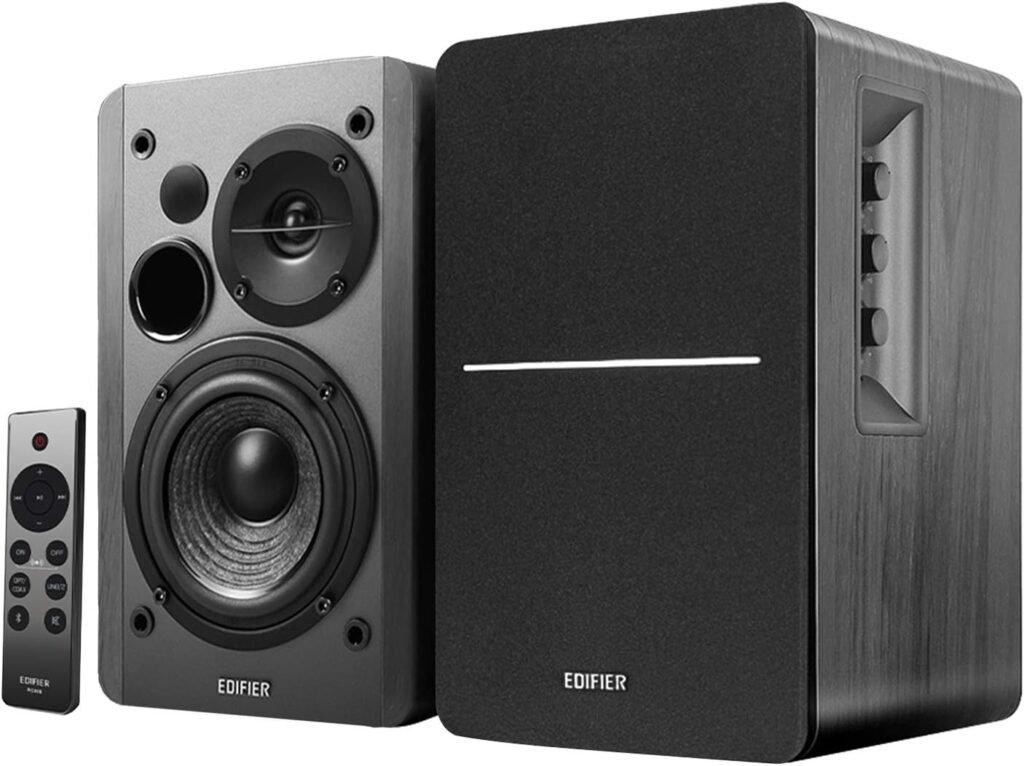
The front grilles are removable, allowing us to choose between a more minimal, exposed driver appearance, or a softer, fabric-covered look. With the grilles off, we can clearly see the 4-inch woofer and the 13mm silk dome tweeter, which both add to the sense that we are getting a genuine mini hi-fi setup.
Size and Placement
The R1280DBs are compact enough to fit on most desks or small shelves, but they are not tiny satellite speakers. Their size means we get better driver dimensions and cabinet volume, which helps them produce fuller sound than ultracompact options.
We do need to account for a bit of space around them. For best performance, it helps to place them so the tweeters are roughly at ear level when we are seated. Leaving a little room behind them can also support better bass response and imaging.

Core Audio Features
The Edifier R1280DBs prioritize balanced, clear audio with enough flexibility to tweak the sound to our preference. With 42W RMS of continuous undistorted power, they can fill small to medium rooms with relative ease.
We also get Soundfield Spatializer technology, which is intended to widen the perceived soundstage. Combined with the dedicated tweeter and woofer in each speaker, the result is a sense of separation and width that is impressive for this size and price.
Power and Drivers
Inside each speaker, we have a 4-inch woofer handling midrange and bass, and a 13mm silk dome tweeter handling the high frequencies. The built-in amplifier in the active speaker provides 42W RMS of power, meaning we can play music at respectable volume levels without harsh clipping or obvious distortion.
The combination of the woofer size, enclosure design, and power output results in a warm but fairly detailed sound. It is not meant to replace a full subwoofer plus floorstanding towers, but for most daily listening it can feel surprisingly robust.
Distortion-Free Listening
One of the central promises of the R1280DBs is distortion-free sound. At moderate to fairly loud volumes, they hold up well. Voices remain clear, instruments stay defined, and we do not get the nasty cracking or buzzing that can show up on lower-quality speakers.
Of course, if we absolutely max out the volume in a large room, physics will catch up and things can start to compress. But in regular use—music at understandable levels, movie night in a normal living space—they perform consistently without drawing attention to their limitations.
Connectivity and Inputs
A strength of the Edifier R1280DBs is just how many ways we can hook them up. We are not limited to one device or one input type. Instead, these speakers act as a mini audio hub for our TV, computer, phone, tablet, and more.
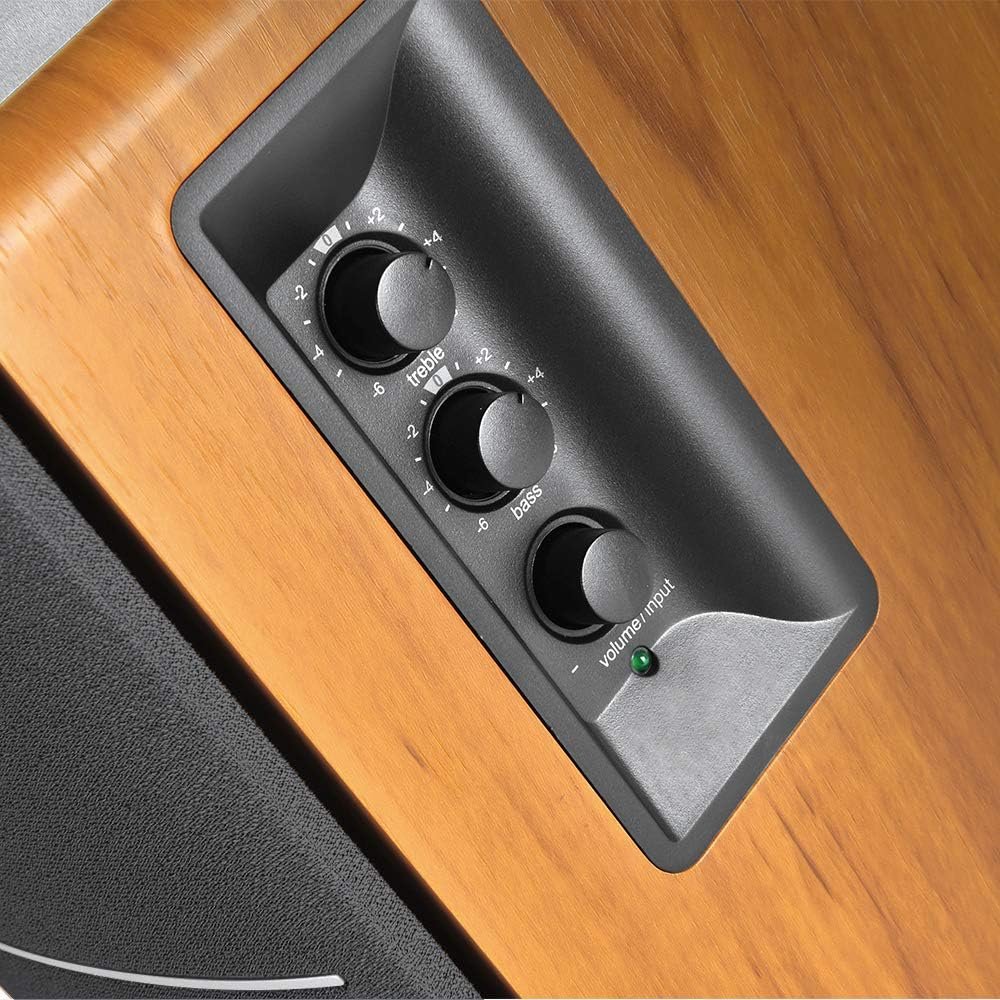
We get Bluetooth 5.0 for wireless use, along with optical and coaxial digital inputs for lossless connections to modern TVs and PCs, plus dual analog line-in options. On top of that, there is a dedicated subwoofer output for those of us who want more low-end impact.
Bluetooth 5.0 Wireless Audio
Bluetooth 5.0 makes wireless pairing quick and relatively stable. We can connect our smartphone, tablet, laptop, or compatible desktop and stream audio without needing extra cables. For casual listening—Spotify, Apple Music, YouTube, podcasts—Bluetooth works well and is easy to live with.
Pairing is straightforward. Once we set the speakers to Bluetooth mode via the remote or side controls, our device should detect “Edifier R1280DBs” (or similar) in the Bluetooth list. After pairing, we can reconnect later without repeating the whole process. This is especially convenient if we frequently move between devices.
Optical and Coaxial Inputs
The optical (TOSLINK) and coaxial inputs are crucial for those of us using modern TVs, game consoles, or PCs with digital outputs. These inputs help maintain a clean, lossless connection that avoids some of the noise issues that can appear in low-quality analog outputs.
Using optical from our TV is often the best way to dramatically upgrade TV sound without a complex AV receiver setup. The R1280DBs can handle TV audio, streaming apps, and console output, creating a simple 2.0 (or 2.1 with sub) setup that is far better than built-in TV speakers.
Analog Line-In Options
Along with digital inputs, the R1280DBs include standard analog line-in connections. These are handy for older gear like CD players, turntables (with a phono preamp), older computers, or even MP3 players. We can keep multiple sources plugged in and switch between them using the remote.
The analog sections are designed to be clean and quiet enough for typical home use, and we get some flexibility in terms of volume and EQ from the side knobs.
Sub Out and System Expansion
One of the standout features of the Edifier R1280DBs is the subwoofer line-out. This gives us a direct way to add more low-end punch by connecting an external powered subwoofer, creating a 2.1 system.
The subwoofer output includes automatic detection and a built-in crossover, meaning the speakers can intelligently integrate with the connected sub. This is helpful because it reduces the amount of manual tweaking we have to do on both the speaker and subwoofer.
How the Subwoofer Output Works
When we connect a powered subwoofer to the sub out, the R1280DBs detect it. The internal crossover then hands off the lowest frequencies to the sub, relieving the 4-inch woofers of the need to reproduce the deepest bass.
This can significantly improve clarity and dynamic range. With a sub handling the heavy lifting down low, the bookshelf drivers can focus more on the mids and highs, making vocals, guitars, and movie dialogue cleaner and more effortless.
Building a Simple 2.1 System
For those of us who want theater-style impact for movies or more thump for electronic, hip-hop, or cinematic music, adding a subwoofer is a big upgrade. We keep the convenience and space-saving benefits of the R1280DBs while enjoying deeper and more powerful bass.
We also have flexibility here. We can choose a compact sub for a small room or a larger unit for a bigger space. As long as it has a line-level input, we can use it with this sub out. Over time, we can upgrade the subwoofer if our needs change, while still keeping the same speakers.
Sound Quality in Real-World Use
Sound quality is ultimately what matters most, and the R1280DBs deliver a satisfying, well-rounded performance for this segment. They aim for a balanced sound with a slight warmth, rather than a hyper-bright or overly bass-heavy signature. This makes them enjoyable across a wide variety of media.
We can use them for music, movies, and gaming without constantly feeling like we need to adjust everything. And if we want to tweak the tonal balance, the bass and treble controls on the side panel give us a quick way to customize the sound.
Music Listening Experience
For music, the R1280DBs are especially good for genres like rock, pop, jazz, acoustic, and vocal-focused tracks. Vocals come through clearly, with enough midrange presence to sound natural. Guitars and pianos have a pleasant tone that is neither too sharp nor too dull.
Bass is reasonably full for a 4-inch woofer, especially at moderate volumes and with some support from room acoustics. We should not expect earthquake-level bass, but kick drums and bass guitars have body and presence. If we listen mostly at close range (e.g., on a desk), the bass response feels particularly satisfying.
High frequencies from the 13mm silk dome tweeter are detailed but generally smooth, avoiding piercing harshness. This makes longer listening sessions comfortable. We can boost or cut treble with the side control to adjust for our room and personal taste.
Movies and TV
Using the optical input from a TV, the R1280DBs become a strong alternative to typical soundbars. Dialogue clarity is one of their strengths; voices are easy to understand without constant volume riding. This can make watching shows and films much less tiring.
Sound effects and background music have a sense of width enhanced by the Soundfield Spatializer feature. While we do not get full surround sound, we do get a more immersive stereo field than what most built-in TV speakers can offer. Action scenes will benefit even more if we add a subwoofer via the sub out.
Gaming and PC Use
For gaming, especially on PC or consoles connected via optical or line-in, these speakers add impact and positional detail. Footsteps, ambient effects, and background music separate well enough for casual and even semi-serious gaming.
On a desktop, they provide a substantial upgrade over most built-in monitor audio or small plastic speakers. They are especially enjoyable for single-player story-driven games where music and sound design play key roles in immersion.
Soundfield Spatializer: What It Does for Us
Edifier includes a feature called Soundfield Spatializer, designed to create a wider, more open soundstage. When enabled, it gives us the impression that the sound is coming from a broader area rather than directly from the speaker boxes.
In practice, this can help make music feel more enveloping and movies slightly more cinematic. It does not create true surround sound, but it can make stereo content feel larger and more engaging, especially in smaller rooms or when we sit relatively close to the speakers.
We may prefer this mode for certain content and turn it off for others. It is mostly a matter of taste, but it is nice to have the option.
Controls and Ease of Use
The Edifier R1280DBs aim to be user-friendly and adaptable. We get both physical controls on the active speaker and an updated wireless remote control. This gives us direct interaction at the speaker and couch-friendly operation for TV or sofa use.
Having the ability to switch inputs, adjust volume, and tailor bass/treble without diving into complicated menus makes everyday usage smoother and more enjoyable.
Side Panel Controls
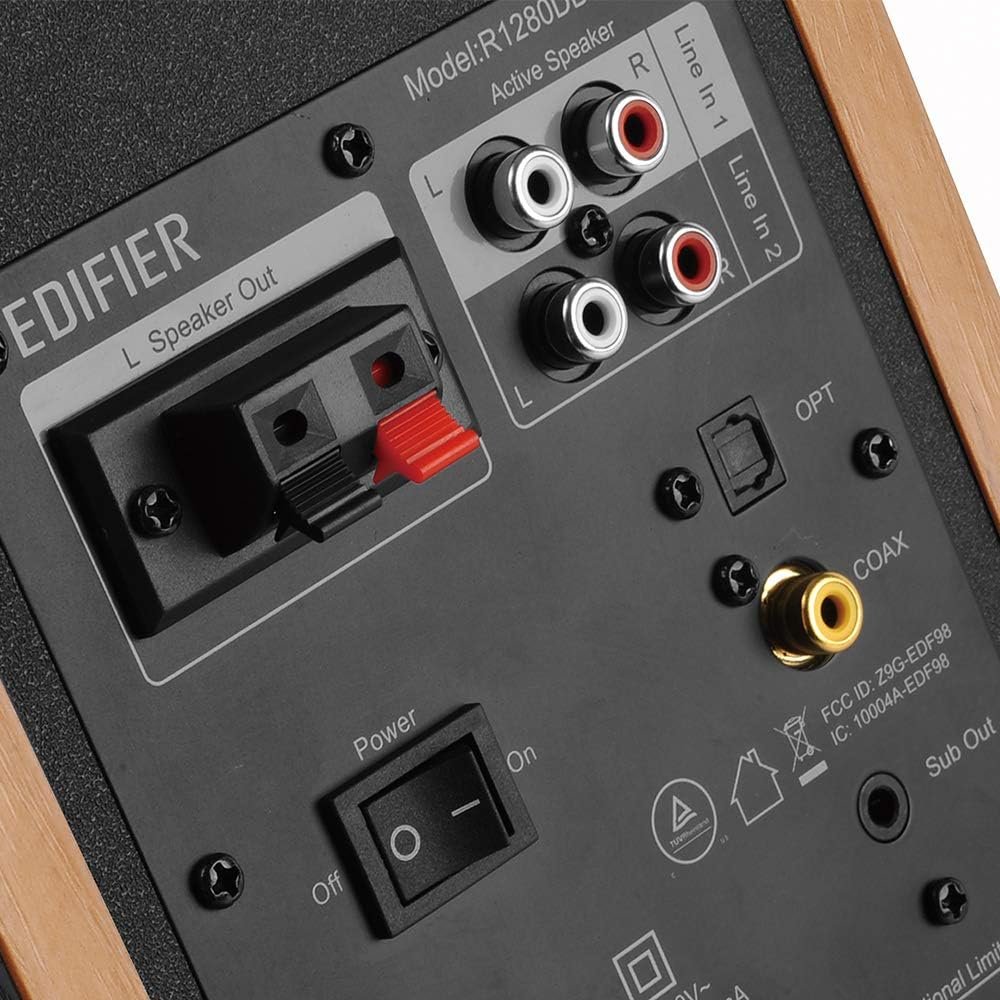
On the side of the active speaker, we find the core controls:
- Volume knob
- Bass knob
- Treble knob
- Input selection / power indication
These knobs allow quick adjustment of the speaker’s tonal character. If our room is a bit boomy, we can roll back the bass. If it feels too dull, we can nudge the treble up. Because the EQ is analog and on the speaker itself, we do not need to rely on software or device-specific settings.
The side placement keeps the front panel clean visually, while still being easy enough to reach when the speakers are on a desk or stand.
Updated Remote Control
The included wireless remote expands our control options. We can:
- Adjust volume
- Mute and unmute
- Switch between Bluetooth, optical, coaxial, and line-in modes
- Control playback volume from across the room
This is especially useful when we use the speakers with a TV or when the speakers are placed out of arm’s reach. The remote’s layout is relatively simple and focused on the core functions we use most often. It helps turn the R1280DBs from “just speakers” into something that feels closer to a small component audio system.
Everyday Usage Scenarios
One of the strengths of the Edifier R1280DBs is their flexibility. They can serve as all-purpose speakers in a variety of everyday scenarios, handling multiple roles without constant reconfiguration.
We can go from background music during work to immersive movie nights to late-night gaming sessions with minimal fuss. This makes them especially appealing for small apartments, dorm rooms, home offices, or any setting where we do not want multiple separate audio systems.
On a Desk with a Computer
As desktop speakers, the R1280DBs provide a noticeable upgrade from typical computer speakers. We can connect via line-in or optical (if our PC supports it), and then optionally pair our phone over Bluetooth for quick music playback.
Their size matches well with a dual-monitor setup or a larger single monitor, without overpowering the desk visually. The ability to fine-tune bass and treble is valuable here, because desks and walls can sometimes cause unwanted resonance.
As TV Speakers
Placed on a TV stand or a small shelf near a TV, the R1280DBs work like a 2.0 soundbar alternative. Optical input makes setup straightforward: one cable from TV to speakers, then we use the TV remote for content and the Edifier remote for volume and input selection.
We can also add a subwoofer later to create a simple, respectable 2.1 system for movies and streaming. This gives us a lot of bang for the space and budget, especially in smaller living rooms or bedrooms.
For Casual Studio and Creative Work
While these are not designed to replace high-end studio monitors, they can serve as a decent entry-level option for basic music production, podcasting, editing, or content creation. The relatively neutral profile, alongside the ability to tweak EQ, allows us to get a workable reference for hobby-level projects.
We should keep in mind that they are “studio monitor style” rather than true reference-grade monitors, but for many of us, that is more than enough.
Setup and Installation
Setting up the Edifier R1280DBs is generally straightforward. We connect the passive speaker to the active one using the supplied speaker cable, plug in the power, and then choose which input type we want to start with.
We then adjust placement, tweak the bass/treble knobs to taste, and test volume levels with some familiar music or content. Within a few minutes, we can go from unboxing to listening.
Basic Setup Steps
Our setup process usually looks something like this:
- Unbox the speakers and accessories (power cable, speaker cable, remote, audio cables).
- Connect the passive speaker to the active speaker using the included speaker cable.
- Plug the active speaker into a power outlet.
- Connect our source:
- Optical from TV or PC, or
- Coaxial from compatible device, or
- Analog line-in from computer/phone/turntable (with preamp), or
- Enable Bluetooth mode and pair a device.
- Use the side panel to set initial volume to a safe level.
- Play audio and adjust bass and treble to our preference.
Once we are up and running, we can refine the speaker position for better imaging, such as placing them symmetrically at equal distances from our listening spot and angling them slightly toward us.
Placement Tips
A few practical tips help these speakers perform at their best:
- Keep the tweeters roughly at ear height.
- Avoid pushing them right up against a wall; leave a bit of space behind them.
- Angle them slightly toward our primary listening position.
- If bass feels excessive or muddy, either move them slightly forward or reduce bass using the side knob.
Small changes in placement can noticeably influence the sound, especially in smaller rooms where wall reflections can be more intense.
Pros and Cons Overview
To put everything into perspective, it helps to summarize the main advantages and trade-offs. The R1280DBs aim to balance sound quality, versatility, and cost-effectiveness, and overall they do well in that regard.
We can think of them as a multi-role audio solution rather than a single-purpose specialist. For the majority of casual users, that is a very appealing proposition.
Key Strengths
- Strong sound quality for size and price
- Bluetooth 5.0 plus optical, coaxial, and analog inputs
- Subwoofer output with automatic detection and built-in crossover
- Simple, practical remote and side controls
- Attractive wood grain design and sturdy build
- Flexible enough for music, TV, gaming, and light studio use
Potential Limitations
- Bass is naturally limited by 4-inch woofers (best improved with a subwoofer)
- Not a replacement for high-end studio monitors for critical audio work
- Requires a bit of space on a desk or shelf compared to tiny satellite speakers
- No dedicated app-based control or advanced DSP customization
None of these are deal-breakers for the typical user, but they are worth keeping in mind so our expectations stay realistic.
Feature Breakdown Table
To make things easier to compare and understand at a glance, we can summarize the main features of the Edifier R1280DBs in a simple table.
| Feature | Description | What It Means for Us |
|---|---|---|
| Speaker Type | Active/powered 2.0 bookshelf speakers with passive companion | No separate amplifier needed; one speaker powers the system |
| Total Power Output | 42W RMS continuous undistorted power | Enough volume for small to medium rooms without harsh distortion |
| Woofer | 4-inch driver | Handles mids and bass with respectable fullness for the size |
| Tweeter | 13mm silk dome tweeter | Smooth, detailed highs suitable for long listening |
| Bluetooth Version | Bluetooth 5.0 | Stable wireless audio from phones, tablets, and laptops |
| Digital Inputs | Optical and coaxial | Lossless connection to TVs, PCs, and compatible devices |
| Analog Inputs | Dual line-in (RCA) | Connects to older devices, PCs, DACs, and other analog sources |
| Subwoofer Output | Dedicated sub out with automatic detection and built-in crossover | Easy integration with a powered subwoofer for deeper bass |
| Sound Enhancement | Soundfield Spatializer | Widens perceived soundstage for a more immersive stereo experience |
| Controls | Side panel knobs for bass, treble, and volume | Quick hands-on EQ and volume adjustment |
| Remote Control | Wireless remote for volume, mute, and switching between input modes | Convenient operation from across the room |
| Design and Finish | Wood grain cabinet, removable grilles | Attractive, classic look that blends into home decor |
| Use Cases | Music, TV/films, gaming, light monitoring and creative work | Versatile daily-use speakers for many scenarios |
This breakdown helps us quickly see how the pieces fit together into a cohesive, user-friendly system.
Who Will Appreciate These Speakers Most?
The Edifier R1280DBs are a good match for people who want better sound than basic built-in or budget speakers, but do not want to invest in a separate amplifier, receiver, or complex setup. They are particularly well suited for:
- Apartment or dorm dwellers with limited space
- Home office users wanting better audio for work and leisure
- TV owners who want a straightforward sound upgrade without a full surround system
- Casual gamers and media consumers who value clear, full stereo sound
- Hobbyist creators who need a decent monitoring solution without studio-level cost
If we are specifically looking for earth-shaking bass without adding a sub, or if we need ultra-flat, professional reference monitors for critical mastering, we might look elsewhere. But for a balanced mix of quality, convenience, and flexibility, these speakers hit a sweet spot.
Long-Term Usability and Value
Over time, we tend to value products that quietly do their job day after day without constant tweaking or troubleshooting. The Edifier R1280DBs appear built with this sort of longevity in mind, both in physical durability and feature set.
As our setup evolves, we can shift how we use them. Maybe we start by using them as TV speakers, later move them to a computer desk, and eventually pair them with a subwoofer. Their broad connectivity and built-in amplification mean they remain useful across different roles, extending their overall value.
The ability to handle both old and new tech—analog, digital, and wireless—also helps reduce the risk of obsolescence. Regardless of whether our next device has HDMI ARC, USB-C, optical, or only Bluetooth, these speakers can usually find a way to connect.
Final Thoughts on the Edifier R1280DBs
When we step back and look at the full picture, the Edifier R1280DBs Active Bluetooth Bookshelf Speakers offer a thoughtful blend of sound performance, design, and practical features. We get:
- Clear, enjoyable sound with 42W RMS of continuous undistorted power
- A full range of inputs—Bluetooth 5.0, optical, coaxial, and analog
- The option to connect a subwoofer through a dedicated sub out with built-in crossover
- Easy control via side panel knobs and an updated remote
- A classic wood grain finish that looks at home in many environments
For many of us, that combination means we can set them up once and use them gladly every day, whether we are listening to playlists, watching shows, gaming, or doing a bit of creative audio work. They may not replace a full audiophile rig or a high-end studio system, but they are not trying to. Instead, they offer a smart, approachable, and capable audio upgrade that fits comfortably into everyday life.
If we want a straightforward way to make our music, movies, and games sound richer and more engaging—without turning our living space into a tangle of audio gear—the Edifier R1280DBs are a strong contender to consider.
Disclosure: As an Amazon Associate, I earn from qualifying purchases.